
Why Business Processes Matter
When most people think about what makes a business successful, they usually think about great products, talented staff, or smart marketing. These things definitely matter, but there’s something else that often gets overlooked: solid business processes.
I’ve worked in various roles over the years, from customer service to operations to training, and one thing became clear across all of them. Businesses that have clear processes in place consistently outperform those that don’t, even when they have less talent or fewer resources.
What Are Business Processes?
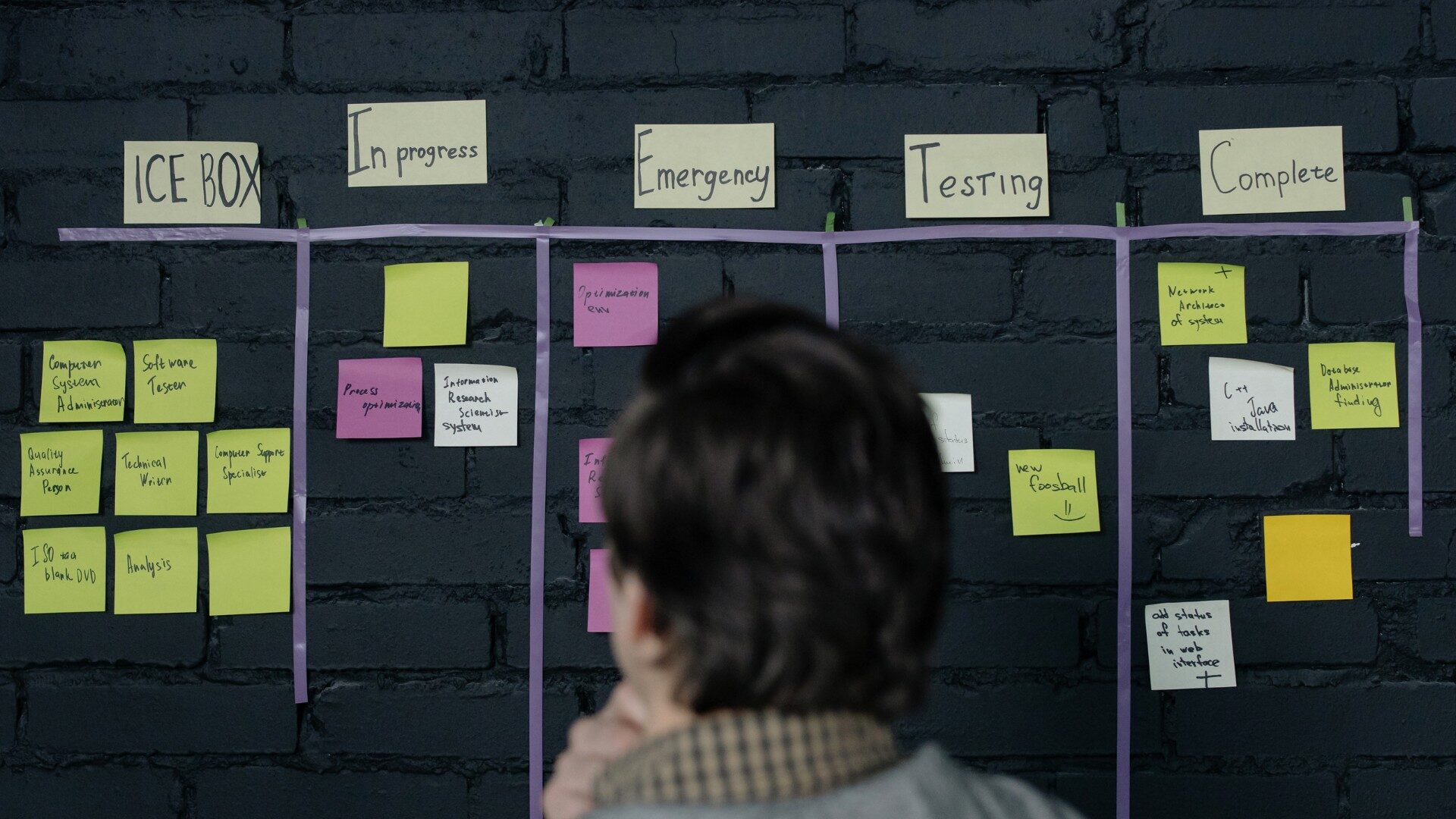
A business process is simply a set of steps that helps you complete a task or reach a goal. It could be as simple as how you handle customer enquiries or as complex as how you onboard new employees. Think of it like a recipe. You could make a cake by guessing what ingredients to use and how long to bake it, or you could follow a proven recipe that works every time. Business processes are your recipes for getting things done right.
Why They Actually Matter
When I started in customer service, I quickly noticed something. The companies that had clear processes for handling customer issues resolved problems faster and kept customers happier. It wasn’t because they had better staff. It was because everyone knew exactly what to do when a problem came up.
Without processes, every situation becomes a guessing game. Staff waste time figuring out what to do, mistakes happen more often, and customers get inconsistent experiences. With processes, everyone has a roadmap to follow.
Running operations for a real estate team taught me how processes directly impact the bottom line. When we had clear processes in place, leads didn’t fall through the cracks. Everyone knew when to follow up, what information to collect, and how to hand off leads to the right person. Our conversion rates improved not because we suddenly became better salespeople, but because we stopped losing opportunities due to disorganisation.
The Training Advantage
Once we documented these processes, training new team members became much easier. Instead of shadowing someone for weeks to learn ‘how we do things’, new staff could read the process documents and get up to speed much faster.
My time in training reinforced this even more. Without processes, you end up with a team where everyone does things their own way. Some methods work well, others don’t, and when someone leaves, their knowledge leaves with them. With documented processes, you create consistency. New team members can learn faster, quality stays high, and the business isn’t dependent on any single person.
Common Mistakes to Avoid
Over the years, I’ve seen businesses make a few common mistakes:
- Making them too complicated. People will find shortcuts or ignore them completely. Good processes should be as simple as possible while still being effective.
- Never updating them. Business changes and processes need to evolve too. What worked last year might not work today.
- Creating them but not using them. Beautiful process documents sitting in a folder don’t help anyone. Processes only work if people actually follow them.
Making them too rigid. While consistency is important, processes should have room for judgment calls. Not every situation fits perfectly into a box.
Getting Started
If your business doesn’t have clear processes yet, start with the tasks that happen most frequently or cause the most problems. Pick one area, write down the steps involved, and get input from the people who actually do the work. Test the process with your team, see where it breaks down, and revise it. The goal isn’t perfection. The goal is having a clear way of doing things that everyone can follow and improve over time.
One thing I’ve learned in my current role is that technology can make processes much more effective. CRM platforms, project management tools, and automation can turn a manual 10-step process into something that happens automatically. But here’s the catch: you need to understand the process first before you automate it. Automating a bad process just means you’ll make mistakes faster.
The Real Benefit
Good business processes aren’t about creating unnecessary paperwork or limiting creativity. They’re actually the opposite. When routine tasks have clear processes, your team doesn’t need to waste time and energy figuring out the basics. They can focus their creativity and problem-solving skills on the work that really matters.
Processes handle the predictable stuff so people can focus on innovation, customer relationships, and solving unique challenges. It’s like having a strong foundation for a house. The foundation isn’t there to limit what you build, it’s there to give you the stability to build something great. The same goes for business processes. They provide structure that actually enables creativity rather than restricting it.
When staff know what to do, they feel more confident and make fewer mistakes. When customers experience consistency, they trust your business more. When leaders have clear processes, they can focus on strategy instead of constantly putting out fires.
Moving Forward
The businesses that run smoothly aren’t lucky. They’ve put in the work to create systems that support their goals. Small improvements in your processes can lead to significant improvements in your results. Business success isn’t just about working hard. It’s about working smart. And working smart means having processes that help everyone do their best work.
If you’re ready to start building better processes for your business but aren’t sure where to begin, we’re here to help. We offer consultation services to help you identify gaps, document effective processes, and create systems that actually work for your team. Sometimes an outside perspective can spot opportunities and solutions that are hard to see when you’re in the day-to-day operations.
Interested in improving your business processes? Let’s have a conversation about building systems that support your growth.